
Scentbird Monthly Perfume Box review
 Analysis by GetAllApps
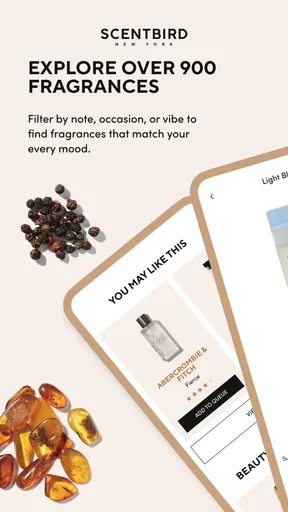
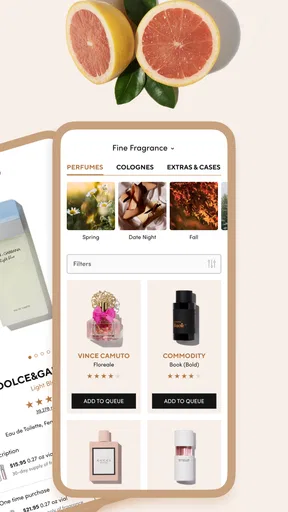
I approach fragrance subscriptions differently from ordinary shopping apps: the scent is personal, and a polished screen is not a substitute for knowing what will arrive or how a recurring order works. Scentbird Monthly Perfume Box is built around discovering perfume through a subscription, so its appeal is less about browsing an endless catalog and more about making fragrance exploration part of a regular routine. I like that idea for someone who wants to try scents before committing to a full bottle, but I would still treat the subscription details as the first thing to review, not an afterthought.
As a beauty app from Scentbird, Inc., it has a focused purpose rather than trying to be a general cosmetics store. The app is free to install, and its age rating is Everyone. Its current version is 3.75.0, and it runs on Android 6.0 or later. Those details tell me who can access the app, but they do not answer the more personal questions that matter when shopping: whether the selection suits your taste, how a subscription fits your budget, and whether you are comfortable managing a recurring service.
Trust starts with what you can check
When I use an app connected to a subscription, I separate visible choices from assumptions. A listing can establish who made the app and what it is for; it cannot, on its own, tell me how every permission, account setting, or data practice works. I would not interpret the absence of a particular detail as proof either way. Instead, I look for the choices presented in the app and read the current terms before signing up or entering payment information.
The developer is Scentbird, Inc., which gives the app a clear identity. It has a 4.7 average from around 41,000 ratings, and more than a million installs. Those figures suggest that many people have tried it, but popularity is not a substitute for checking whether a recurring purchase is right for you. I use ratings as a prompt to investigate the experience, not as evidence that every account, order, or preference will work the same way.
My practical trust check would be simple: install the app, inspect the screens that explain the subscription, and pause before confirming anything that creates a recurring commitment. I would pay close attention to the billing cadence, what is included, when a selection must be made, and how to change or stop future orders. If those terms are not clear to me at the point of decision, I would wait rather than assume that the details will be easy to resolve later.
Keep account and subscription choices deliberate
There is a useful distinction between exploring an app and enrolling in a service. Browsing can help me decide whether the concept suits me; subscribing is a separate decision that deserves a careful read. I recommend using an email address you check regularly for any account tied to orders, and keeping a note of the account details and the subscription terms you accepted. That is ordinary account hygiene, not a claim about a special feature in this app.
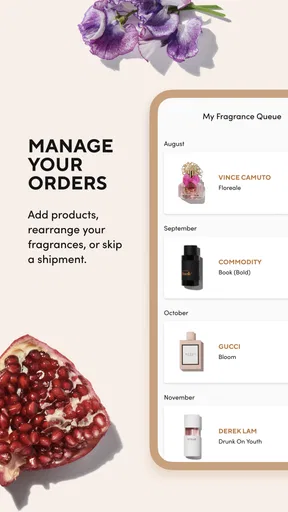
I would also check the app’s visible account and subscription controls before relying on them. Look for the path to review an upcoming order, adjust a selection, manage billing, or end the subscription, and make sure you understand whether any change applies immediately or to a later cycle. I do not assume these controls exist in a particular form until I can see them. That caution is especially useful with services where a missed decision can mean receiving a scent you did not actively choose.
For privacy, I take the same measured approach. A fragrance preference can feel personal, but it is still information I choose to share when I create an account or express what I like. I would review the permission prompts as they appear, grant only what makes sense for the task, and revisit device settings if I later decide a permission is unnecessary. I would not grant access simply because an app requests it, nor would I conclude that it requests anything in particular without seeing the prompt.
Where the app can fit into real life
The strongest use case is someone who enjoys experimenting but does not want to buy a full-size bottle every time curiosity strikes. For example, if I were choosing a fragrance for work and another for evenings, I could use a monthly discovery routine to explore different options over time rather than making one expensive, long-term choice on the spot. The trade-off is that a subscription is less spontaneous than buying a single sample: it introduces timing, account management, and a recurring decision into what could otherwise be a one-off purchase.
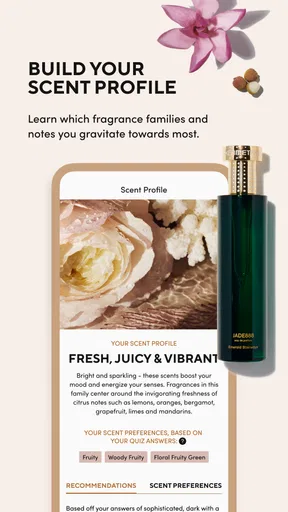
It may also be handy for a person who already knows a few scent families they enjoy but wants to move beyond the same familiar bottle. I would approach each selection with a small plan: note what I tend to like, identify what I want to test next, and avoid choosing several fragrances that seem similar just because their descriptions sound appealing. After trying a scent, I would jot down where I wore it and how it felt after a few hours. That simple habit makes later choices more useful than relying on a first impression alone.
On the other hand, I would skip a subscription if I rarely wear perfume, already have more fragrances than I use, or only want one specific bottle. In those cases, a retailer that sells individual samples or a direct purchase may be a better fit, because I can choose a single item without adding a continuing commitment. Someone with sensitivities should also be cautious: a discovery format does not remove the possibility that a fragrance will not suit them, and I would check ingredient and product information before use rather than treating a small format as automatically risk-free.
How it compares with ordinary fragrance shopping
Compared with visiting a department store, a subscription app can make browsing more convenient and let discovery happen at home. The in-store advantage is that I can smell products before deciding; that matters because fragrance descriptions rarely capture how a scent develops on my skin. Compared with buying samples online one at a time, a subscription can provide a more structured rhythm, but it may be less flexible if I want to pause exploration or make only occasional purchases.
That difference shapes how I would use the app: as a discovery tool, not as a replacement for all fragrance shopping. If I find a scent I love, I would still compare the available purchase options and make sure I am not continuing a subscription solely out of habit. If I am unsure about a scent family, I would use a sample-first approach and give each fragrance enough wear time to judge it fairly. One quick spray in a shop or a single evening may not tell me whether I will reach for it regularly.
The app’s rating and reach are reassuring only in a limited sense. More than 10,000 written reviews can help me spot recurring themes, but I would look for comments that match my own priorities, such as ease of managing a subscription or whether the discovery process feels worthwhile. I would treat extreme praise and frustration alike as individual experiences, then rely on the terms and choices presented to me when I make my own decision.
Make the decision at the points that matter
The most data-sensitive moments are the ones where I create an account, provide information for an order, or make a payment choice. At each step, I would read the on-screen explanation and decide whether the requested information is necessary for what I am trying to do. If I am only exploring, I would avoid moving into checkout until I am ready. This keeps browsing and commitment distinct and reduces the chance of tapping through a decision without understanding it.
I would also revisit my choices after the first order rather than assuming the initial setup will remain right indefinitely. Before a new billing cycle, I would check whether the selection and account settings still match my preferences. If I decide the service is not for me, I would use the visible account controls and confirm that the change has taken effect. Keeping a confirmation or a dated note for my own records is a sensible habit with any subscription, especially if I may need to remember when I changed it.
One less obvious trade-off is that a monthly cadence can encourage exploration while also creating pressure to keep up with products arriving on a schedule. I would avoid treating every delivery as an obligation to wear or keep a scent. If my collection is growing faster than I can evaluate it, the subscription is no longer helping me discover; it is adding clutter. That is a good point to reconsider the service, even if I still enjoy the app itself.
Who should try it—and who should wait
I would recommend giving Scentbird Monthly Perfume Box a look if you are genuinely curious about fragrance, like testing new options, and are comfortable reviewing a recurring service before enrolling. It is particularly suited to someone who wants a guided way to explore rather than another full-size bottle chosen from a description. The app’s beauty focus makes that purpose clear, and its free download lowers the barrier to exploring the interface before deciding whether the subscription concept fits.
I would not recommend signing up just because the app is popular or because a monthly box sounds convenient. If you prefer complete control over when you buy, want to smell every product before spending, or are trying to reduce recurring expenses, individual samples or in-person testing may be a better match. The same goes for anyone who does not want to manage a subscription calendar. The right option is the one whose shopping rhythm matches how often you actually wear fragrance.
My verdict is cautiously positive: this is a focused way to explore perfume, and the format can make sense when discovery is the goal. I would use it with clear boundaries—read the subscription terms, make account and permission choices intentionally, track what I try, and reassess before another cycle. The app is most useful when it helps me learn what I like, not when the monthly routine becomes a reason to collect scents I never wear.
Pros and cons
Pros
- Monthly delivery lets you try a new fragrance without buying a full bottle.
- A travel-size spray is easy to carry in a purse or when traveling.
- The subscription offers access to designer and niche fragrance brands.
- Choosing a scent from a range of options adds variety to each order.
- Sampling first can help you avoid committing to a full-size fragrance.
Cons
- The monthly subscription renews unless you cancel it.
- Your preferred scent may be unavailable when you place an order.
- A small decant may not last a full month with frequent use.
- Fragrance preferences are subjective so a selected scent may disappoint.
- Shipping delays can leave a gap between monthly fragrance deliveries.


